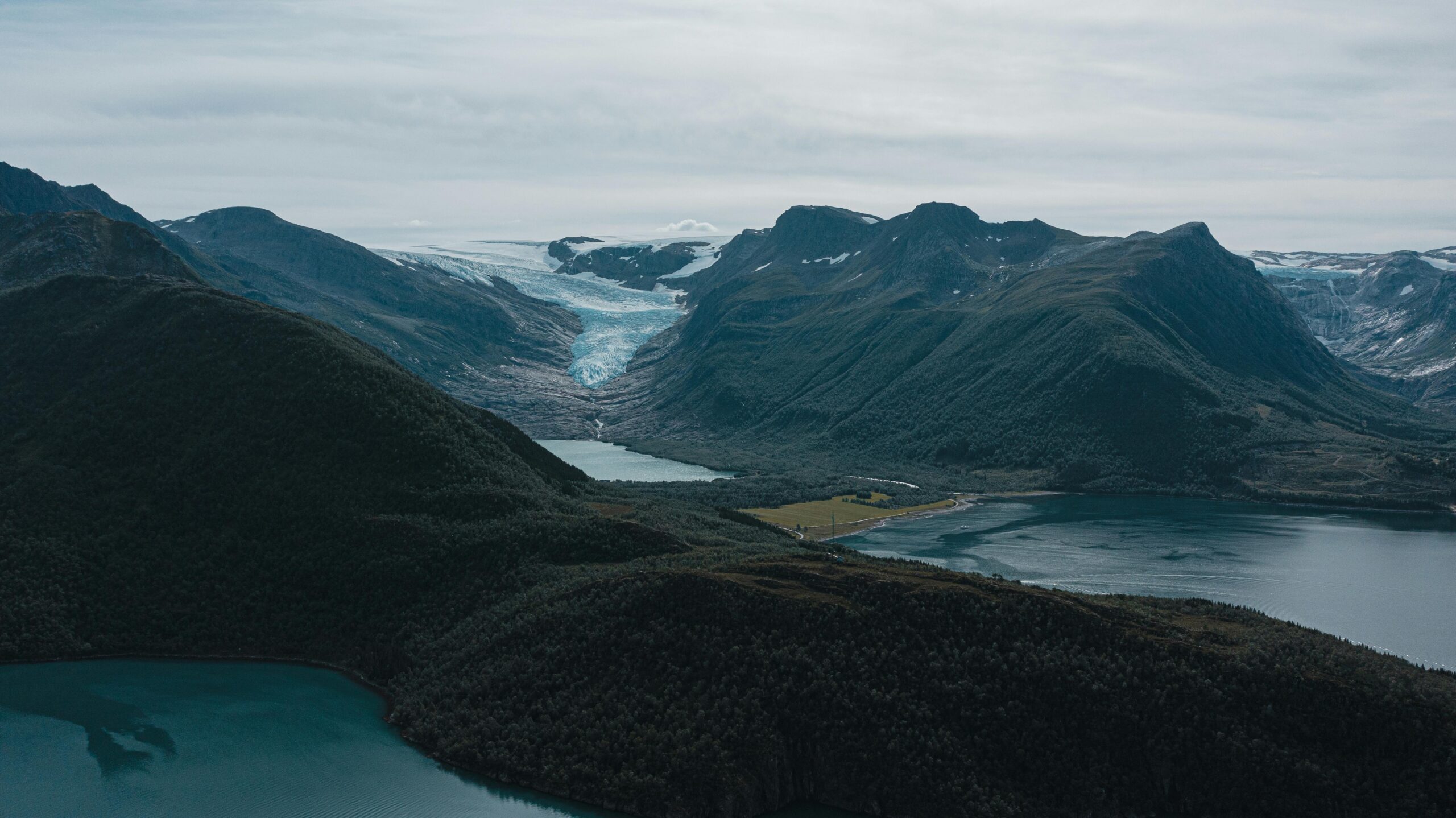
The global luxury travel sector has undergone a quiet revolution. By early 2026, the era of conspicuous consumption on private jets and sprawling eco-resorts built on questionable land deals has given way to a far more sophisticated paradigm: regenerative stewardship. High-net-worth individuals are no longer asking simply where they should go, but how their presence can leave a destination better than they found it. This shift is not merely a marketing trend; it is a fundamental reallocation of capital—both financial and social—driven by a confluence of climate imperatives, technological transparency, and a post-pandemic recalibration of values. For the discerning traveler, the question is no longer about the price of a suite, but the value of the experience measured against its ecological and cultural footprint.

The New Currency of Travel: Verification Over Vows
For years, the hospitality industry traded in promises. Hotels touted “sustainable” bamboo straws and “locally sourced” amenities. In 2026, that language is insufficient. The sophisticated traveler now demands verifiable, third-party audited data. Blockchain-enabled supply chains allow guests to trace the provenance of the linens, the energy source powering their villa, and the wages paid to the local artisans who crafted the furniture.
This rigor has created a new class of travel intermediaries. Concierge travel services that once focused solely on booking tables at Michelin-starred restaurants now employ dedicated sustainability analysts. These professionals vet properties against rigorous frameworks like the Global Sustainable Tourism Council (GSTC) criteria and the B Corp certification. A property without a published, audited carbon impact report is effectively invisible to the top-tier booking desks of firms like Virtuoso or Embark Beyond.
Why “Greenwashing” Is Now a Liability
The European Union’s Digital Product Passport regulations, fully enforced in 2025, have made unsubstantiated environmental claims a legal risk. For the luxury traveler, this translates into a powerful due diligence tool. Before booking a $15,000-per-night villa in the Maldives, a client can now request the property’s Digital Passport, which includes real-time energy consumption data, waste diversion rates, and the carbon cost of guest activities like helicopter transfers. The era of trusting a brochure is over; the era of trusting a ledger has begun.
Where to Invest Your Stay: The 2026 Hotspots
The geography of luxury travel has shifted. The traditional European capitals remain strong, but the most compelling experiences are now found in destinations that have actively managed tourism for regeneration, not extraction. Consider these three corridors:
- The Norwegian Fjords (Electric & Silent): Norway has mandated zero-emission access to its UNESCO-listed fjords. Boutique luxury hotels like the Svart near the Svartisen glacier—the world’s first energy-positive hotel built above the Arctic Circle—offer stays where the power comes from micro-hydro and solar thermal. The experience is defined by silence and precision.
- Rwanda’s Volcanoes Region (High-Value, Low-Impact): Gorilla trekking permits now cost $1,500 per person, with a significant portion funneled directly into community health and conservation. Local bespoke tour operators like Wilderness Safaris offer itineraries that include private photography guides and stays at properties like Bisate Lodge, which uses locally harvested volcanic stone and employs an entirely local staff.
- The Japanese Alps (Slow & Seasonal): The over-tourism of Kyoto has pushed discerning travelers to the Kiso Valley and Hakuba. Here, private chauffeur services in hydrogen-fueled vehicles connect guests to century-old ryokan that have been meticulously restored using traditional sashimono joinery, offering a masterclass in cultural preservation.
What Does a “Regenerative” Itinerary Look Like?
The practical application of this philosophy is best illustrated through a case study. A typical seven-day journey for a high-net-worth family in 2026 might look like this:
Day 1-3: The Galápagos (Floating Lab)
Instead of a large cruise ship, the family books a 12-guest expedition yacht operated by Ecoventura, which uses solar-assisted propulsion and reverse-osmosis water systems. The itinerary is not fixed; it adapts to real-time scientific research needs. Guests assist a marine biologist in tagging hammerhead sharks, contributing data to the Charles Darwin Foundation. The cost: $8,500 per person per night, which includes a mandatory 5% contribution to the local conservation trust.
Day 4-5: The Sacred Valley, Peru (Cultural Equity)
The family transfers to a private lodge run by the Explora group. Here, the “luxury” is not a marble bathroom but access to an on-site archaeologist and a private chef who sources ingredients from a community-owned chacra (farm). The lodge has a strict “no single-use plastic” policy enforced by a water-bottling plant on the property. Premium rewards cards like the American Express Centurion offer curated experiences here, including a private ceremony with a local shaman that directly funds the preservation of Quechua language programs.
Day 6-7: Patagonia (Carbon-Negative Stay)
The journey culminates at the Explora Patagonia or the new Singular Patagonia property. These lodges have achieved carbon-negative status by purchasing high-quality, verified carbon credits from local peatland restoration projects. The family’s luxury travel insurance providers—firms like Battleface or Allianz Global Assistance—now offer policies that include carbon offsetting as a standard feature, not an add-on.
Financing the Journey: The Role of Premium Financial Products
The cost of regenerative travel is not cheap, and the financial infrastructure has evolved to match it. In 2026, the most sophisticated travelers use capital allocation strategies that align with their values. Premium rewards cards are no longer just about lounge access. The Chase Sapphire Reserve and Capital One Venture X now offer “Impact Points” that can be redeemed for verified carbon offsets or direct donations to specific conservation projects. The Platinum Card from American Express has a dedicated concierge desk for sustainable travel, offering priority access to properties that meet its in-house “Eco-Certified” standard.
Furthermore, luxury travel insurance providers have expanded their offerings. Policies now cover “trip disruption due to climate events” (e.g., wildfires or floods) and include “emergency evacuation for medical reasons” with a rider for evacuation from remote, ecologically sensitive areas. These policies are not cheap—annual premiums for a family of four can exceed $5,000—but they provide the peace of mind required for deep travel into the Amazon or the high Arctic.
The Question Every Traveler Should Ask in 2026
When booking a $2,000-per-night room, the most important question is no longer, “What is the cancellation policy?” It is: “What is the community benefit agreement?”
A truly regenerative property will have a transparent, legally binding agreement with the local community. This might guarantee a minimum percentage of revenue going to local schools, a commitment to hiring 80% of staff from within a 10-mile radius, or a land-use covenant that prevents future development. This is the new standard of trust. Concierge travel services like Journey Mexico or Remote Lands now provide clients with a “Community Impact Score” for every property in their portfolio, ranking them on metrics like local hiring, procurement, and cultural sensitivity.
Key Takeaways for the Discerning Traveler
- Verification is paramount: Demand audited data, not marketing language. Look for B Corp, GSTC, or Digital Product Passport credentials.
- Invest in local economies: Choose properties with documented community benefit agreements. Your stay should fund local schools, not just a foreign-owned corporation.
- Use your financial tools wisely: Leverage premium rewards cards for impact points, not just miles. Ensure your travel insurance covers climate-related disruptions.
- Embrace slow, small-scale travel: Fewer destinations, longer stays. The most luxurious experience is often the most intimate and the least extractive.
The Outlook for 2027 and Beyond
The next frontier is carbon-negative hospitality. Several pioneering properties in Costa Rica and Norway are already operating at net-negative emissions through a combination of on-site renewable energy, regenerative agriculture (which sequesters carbon in the soil), and the purchase of high-quality carbon removal credits. The World Travel & Tourism Council projects that by 2028, 40% of ultra-luxury properties will be required to disclose their full Scope 1, 2, and 3 emissions to remain competitive in the high-net-worth market.
Furthermore, the concept of “travel as investment” is gaining traction. Some private equity firms are now offering curated travel portfolios where a portion of the nightly rate is treated as an investment in a local conservation fund, with a potential return tied to the success of that fund. This blurs the line between a vacation and a capital allocation strategy.
Conclusion
The luxury sustainable travel market of 2026 is not about sacrifice; it is about sophistication. It rewards the traveler who asks deeper questions, who understands that the most memorable experiences are built on a foundation of trust, transparency, and genuine stewardship. The days of the passive tourist are numbered. The new elite traveler is an active participant in the preservation of the places they visit. They are not just spending money; they are allocating capital toward a future where travel enriches both the soul and the planet. For those willing to invest the time and resources, the reward is not just a vacation, but a legacy of positive impact.
Photo Credits
Photo by Clément Proust on Pexels
- Digital Therapeutics: Evaluating the Financial Case for Prescription Apps – 23/04/2026
- The Economics of Preventive Health Tech: Reducing Expenses Through Innovation – 23/04/2026
- The Immutable Ledger of Health: How Blockchain is Reshaping Medical Record Security and Financial Strategy in 2026 – 23/04/2026

•
Leave a Reply