The calculus of healthcare expenditure has long been dominated by a reactive model—treating illness after it manifests. Yet, as we move through 2026, a fundamental shift is underway. The capital allocation strategies of both corporate benefits managers and individual consumers are increasingly being redirected from acute care to chronic disease prevention, driven by a wave of sophisticated health technology. This is not merely a wellness trend; it is a rigorous economic argument. By leveraging continuous monitoring, predictive analytics, and personalized intervention, preventive health tech is demonstrating a tangible return on investment (ROI), slashing the long-term costs associated with managing diabetes, cardiovascular disease, and metabolic syndrome. The question is no longer whether prevention is cheaper than cure, but how to scale the infrastructure to make it universally accessible.

The High Cost of Reactive Healthcare: A 2026 Perspective
To understand the economic imperative of preventive tech, one must first quantify the burden of the status quo. In 2026, chronic diseases account for approximately 75% of total healthcare spending in developed economies. The costs are not just clinical; they are systemic. Absenteeism, presenteeism (working while ill), and disability claims drain corporate productivity. For an individual, a single hospitalization for a preventable condition like a heart attack can wipe out a decade of savings.
The inefficiency lies in the lag. Traditional healthcare waits for a biomarker to cross a pathological threshold before intervening. By that point, the biological damage—and the associated financial liability—is already substantial. Preventive health tech aims to compress this lag, identifying risk years before it becomes disease. This is the core of the economic value proposition: shifting expenditure from high-cost, low-frequency interventions to low-cost, high-frequency monitoring and behavior modification.
How Innovation Drives Down the Expense Curve
The technology ecosystem of 2026 has matured beyond simple step counting. We are now seeing the integration of medical-grade diagnostics into consumer devices, creating a new asset class for health management.
Continuous Metabolic Monitoring and Diabetes Prevention
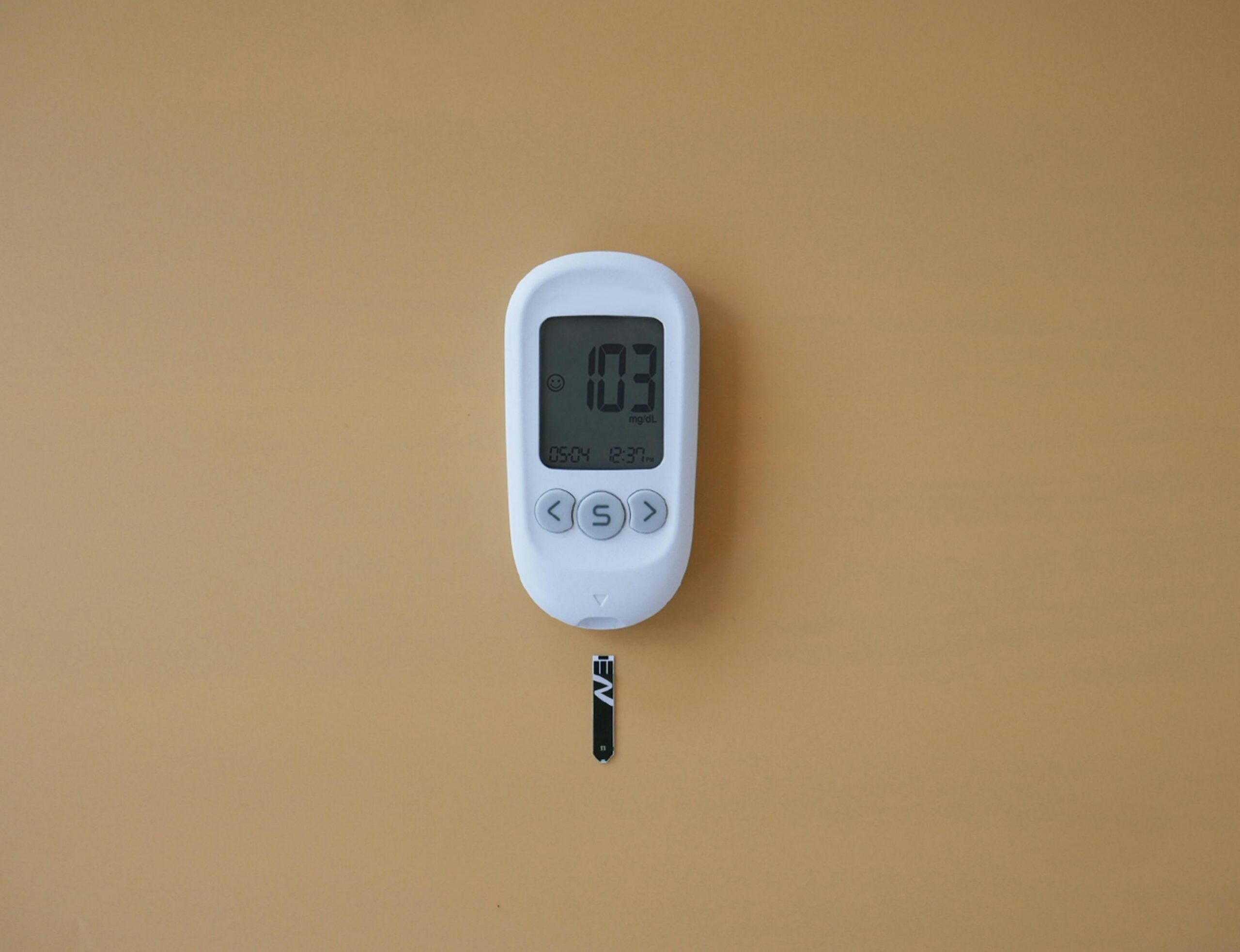
The most compelling economic case study is the use of Continuous Glucose Monitors (CGMs) for non-diabetic populations. Previously reserved for Type 1 diabetics, CGMs are now a mainstream tool for metabolic health. A 2025 study published in The Lancet Digital Health demonstrated that individuals using a CGM in conjunction with a digital coaching platform reduced their HbA1c levels by an average of 0.8% over 12 months. For a prediabetic population, this reduction is clinically significant enough to delay or prevent the onset of Type 2 diabetes.
Economically, the math is stark. The annual cost of a CGM subscription in 2026 is roughly $1,200 to $2,000. The annual cost of managing Type 2 diabetes, including medications, testing supplies, and specialist visits, averages over $9,000. For an employer with 10,000 employees, even a 5% reduction in diabetes incidence translates to millions in direct medical savings, not to mention the indirect savings from reduced sick leave. The ROI on CGM-based prevention programs is frequently cited at 3:1 or higher within a three-year window.
AI-Driven Cardiac Risk Assessment
Wearable electrocardiogram (ECG) technology has evolved. In 2026, the latest generation of smart rings and watches can detect atrial fibrillation (AFib) with clinical-grade accuracy. More importantly, they utilize machine learning algorithms to analyze heart rate variability (HRV) and pulse wave velocity to predict the risk of a major adverse cardiac event (MACE) up to 14 days in advance.
This predictive capability allows for “just-in-time” intervention. A user receives a notification to hydrate, rest, or take a prescribed beta-blocker, averting a potential stroke. The cost of a stroke in the U.S. healthcare system, including rehabilitation and long-term care, can exceed $100,000. The cost of the wearable and the software license is a fraction of that. For high-net-worth individuals and corporate executives—populations with high stress and high cardiovascular risk—this technology is becoming a standard part of their concierge medical services package, offered by premium providers like Boutique health management firms in New York and Silicon Valley.
Navigating the Commercial Bridge: Services and Solutions
The success of preventive health tech is not just about the hardware; it is about the service layer that interprets the data and drives action. This creates a robust market for high-value services.
What is the role of digital therapeutics in lowering insurance premiums?
This is a critical question for consumers and CFOs alike. In 2026, several major insurers, including Cigna and Aetna, have integrated digital therapeutic platforms into their plans. These are software-based interventions, often prescribed by a physician, that treat conditions like insomnia, anxiety, and hypertension. By completing a prescribed program, policyholders can earn premium discounts of 10-15%.
The economic logic is that these platforms reduce the demand for expensive in-person therapy and pharmaceutical interventions. For the insurer, the cost of licensing the software (approximately $50 per member per year) is far lower than the cost of a single emergency room visit for a panic attack. This is a direct example of capital reallocation from reactive to proactive care. The best digital health insurance plans for 2026 are now explicitly marketing these features as a core differentiator.
The Rise of the Health Optimization Consultant
As data becomes more complex, the need for expert interpretation grows. We are seeing the emergence of a new professional class: the health optimization consultant. Unlike a general practitioner who treats disease, these specialists analyze longitudinal biometric data from wearables, lab work, and genetic tests to create a personalized protocol for longevity and performance.
For the affluent consumer, this is a high-ticket service, with annual retainer fees ranging from $10,000 to $50,000. However, the value is found in the avoidance of catastrophic health events. A single prevented hospitalization for a bypass surgery saves the client not only the medical cost but also the opportunity cost of lost income and professional momentum. These consultants often work in tandem with private lab testing services to provide quarterly assessments of biomarkers like apoB, hs-CRP, and vitamin D levels, ensuring the client’s biological systems are optimized before pathology sets in.
Implementation Challenges and the Path to Scale
Despite the clear economic benefits, widespread adoption faces hurdles. The primary challenge is data integration. A patient’s CGM data, sleep score, and lab results often live in different, non-interoperable silos. For a physician to act on this data, it must be presented in a unified dashboard.
Furthermore, there is the issue of health equity. The upfront cost of a $400 smart ring or a $200/month CGM subscription excludes a significant portion of the population. To truly reduce the national healthcare expenditure, these technologies must be subsidized or provided at scale by employers and government programs. The most successful implementations in 2026 are those where the employer covers the full cost of the device and coaching platform, treating it as a capital investment in human capital rather than an employee perk.
Key Takeaways: The Financial Blueprint
- Shift from Treatment to Prevention: The most effective cost-reduction strategy is to delay or prevent the onset of chronic disease through continuous monitoring.
- ROI is Quantifiable: Programs utilizing CGMs and AI-driven cardiac monitoring demonstrate a consistent 2:1 to 4:1 return on investment within 1-3 years.
- Service Layer is Critical: Hardware is a commodity; the value lies in the digital coaching, data interpretation, and personalized intervention protocols.
- Insurance Integration is Key: The most scalable models involve insurers and employers subsidizing the technology in exchange for lower risk profiles and premium adjustments.
- Look for Integration: The best solutions in 2026 are those that offer a unified health dashboard, combining data from wearables, lab work, and patient-reported outcomes.
Conclusion
Photo Credits
Photo by i-SENS, USA on Pexels
- Digital Therapeutics: Evaluating the Financial Case for Prescription Apps – 23/04/2026
- The Economics of Preventive Health Tech: Reducing Expenses Through Innovation – 23/04/2026
- The Immutable Ledger of Health: How Blockchain is Reshaping Medical Record Security and Financial Strategy in 2026 – 23/04/2026

•
Leave a Reply